









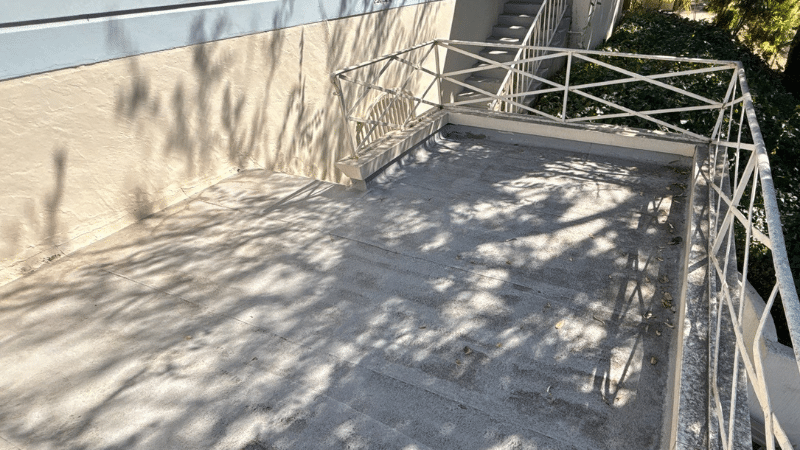
Your deck is a valuable extension of your home, a place for relaxation and entertainment. To keep it in top shape, you might be considering waterproof coatings. A quality deck coating is designed to shield your deck from the elements, including harsh UV rays and moisture. But is it the right choice for you? This guide will walk you through the benefits and potential downsides of deck waterproofing, helping you understand how to best protect your outdoor space.
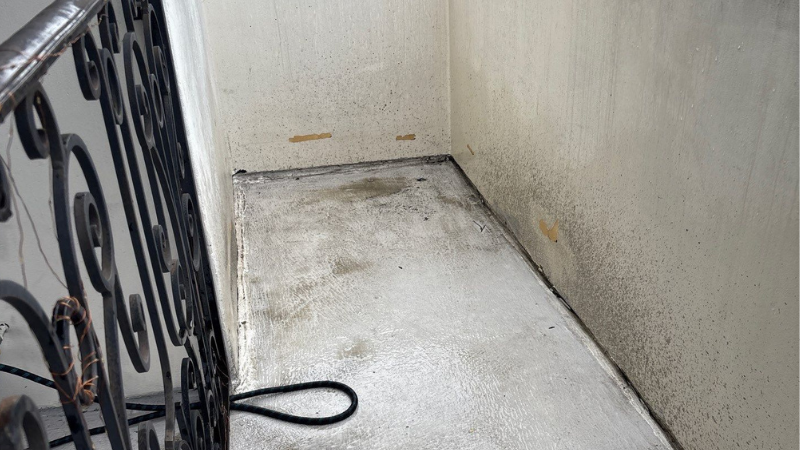
Benefits of Deck Waterproof Coating
Applying waterproof coatings adds a robust protective layer to your deck, shielding it from water damage, rot, and the sun’s damaging UV rays. This barrier gives you peace of mind, knowing your investment is safe from the elements.
Moisture Protection
The primary function of deck waterproofing is to create an impenetrable shield against moisture. Untreated wood is highly susceptible to water damage, which can quickly lead to rot, compromising the safety and stability of your deck. A proper waterproof coating prevents water from seeping into the wood, stopping decay before it can begin.
This protective barrier is especially crucial for preventing the growth of mold and mildew. These fungi thrive in damp environments and can make your deck surface slippery and unsafe, in addition to causing unpleasant odors. By keeping the wood dry, waterproof coatings help maintain a healthier environment.
During a professional deck inspection, one of the first things experts look for is signs of water intrusion. Having a high-quality waterproof coating in place is a proactive step that safeguards your deck against the kind of structural damage that leads to costly repairs and potential safety hazards.
Enhanced Longevity and Durability
One of the most significant advantages of waterproofing is the increased durability it provides for your outdoor living spaces. Decks endure a lot, from constant foot traffic and heavy use to relentless exposure to the elements. A strong coating acts as a hard-wearing surface that can withstand this daily wear and tear.
These coatings are also designed to be flexible. Wood naturally expands and contracts with changes in temperature and humidity. Elastomeric waterproof coatings stretch with the wood, preventing the splitting and cracking that can shorten your deck’s lifespan. This elasticity ensures the protective layer remains intact without chipping or peeling.
Furthermore, by shielding your deck from moisture and damaging UV rays, a waterproof coating significantly extends its life. You’ll spend less time and money on repairs and replacements, allowing you to enjoy your beautiful and resilient deck for many years.
What are the drawbacks of waterproof coating for a deck?
While waterproof coatings offer excellent protection, it’s important to be aware of their potential drawbacks. One of the biggest concerns is the risk of trapping moisture if the deck coating is not applied correctly or if the underlying wood isn’t properly prepared. This trapped moisture can lead to hidden problems that are worse than the issues the coating was meant to prevent.
Mold and Mildew: Potential for Hidden Issues
Yes, waterproof coatings can unfortunately lead to hidden moisture problems if not applied perfectly. If there are any cracks, gaps, or areas of poor adhesion in the coating, water can find its way underneath. Once trapped between the coating and the wood substrate, this moisture has no way to evaporate.
This creates a perfect breeding ground for mold, mildew, and rot. Because the damage is happening beneath the surface, you may not notice it until significant structural issues have developed. The coating that was meant to protect your deck can end up concealing its deterioration.
Key signs of trapped moisture include:
- Bubbling or blistering of the coating
- Soft or spongy spots on the deck
- A persistent musty odor
What starts as a small point of water intrusion can quickly escalate, causing widespread rot in the untreated wood below.
Impact on Natural Appearance and Future Repairs
A key factor to consider is how waterproof coatings impact your wood deck’s natural look. While clear sealants preserve the wood grain, many coatings are opaque and hide it completely, diminishing the deck’s natural appeal. These coatings may also discolor or fade unevenly over time.
Repairs can be challenging—patching damaged areas often leaves visible marks, and removing the entire coating for refinishing is labor-intensive. Once applied, changing the coating usually requires a major removal effort, making future updates difficult.
Common Challenges with Waterproof Coatings in California
In California, the intense sun and fluctuating weather present unique challenges for waterproof coatings. From Orange County to Northern California, decks are exposed to powerful UV rays that can degrade coatings prematurely if they are not of high quality.
Incorrect application is a major issue here, as even small mistakes can lead to big problems under the California sun. This is particularly critical for condominiums and properties governed by HOAs, which often have strict maintenance standards and warranty requirements.
Risks of Incorrect Application and Maintenance Costs
Incorrect application is a leading cause of waterproof coating failure. Poor surface preparation or uneven application can result in peeling, cracking, and weak adhesion, compromising the barrier and voiding warranties—leaving you with costly repairs. Proper flashing is also essential, especially where the deck meets the building; faulty flashing often leads to water intrusion that coatings can’t prevent. Over time, these mistakes can cause wood to split and lead to serious structural damage.
While coatings reduce long-term maintenance, they still require periodic cleaning and reapplication. If applied poorly, you’ll face higher maintenance costs to address issues like peeling or bubbling before re-coating.
Is Deck Waterproofing Right for You?
In conclusion, deck waterproofing protects against water damage and extends the life of your outdoor spaces. However, consider potential downsides like hidden moisture, changes in appearance, and ongoing costs. Weighing these factors helps you make the best choice for your needs. Ready to protect your deck? Contact Specialist Roofing for a free consultation and safeguard your investment in California!
Frequently Asked Questions
Can waterproof coatings fail due to weather or temperature changes?
Yes, waterproof coatings can fail due to extreme weather. In California, intense UV rays can degrade coatings over time. Flexible elastomeric coatings are best, as they expand and contract with the substrate during temperature changes, reducing the risk of cracking and peeling that rigid coatings face.
How often does waterproof deck coating need to be reapplied?
The lifespan of waterproof deck coatings typically ranges from 3 to 10 years. Factors like the quality of the product, the amount of sun exposure, and the level of heavy use influence this timeline. Regular cleaning and prompt repairs of your balcony or deck can help extend its lifespan.