













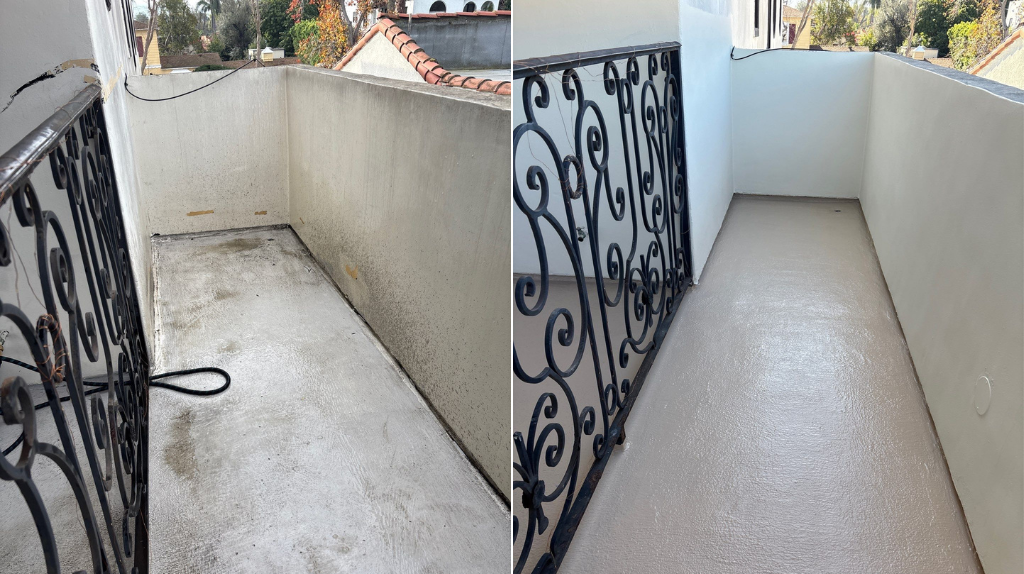
Your deck is more than just an extension of your home; it’s a cherished outdoor living space for relaxation and making memories. But to keep it safe and beautiful, you need to protect it from the elements. Deck waterproofing is a crucial step in preserving the life of your wood deck, preventing costly repairs down the line. This guide will walk you through the best ways to waterproof your deck, from simple sealants to advanced systems, ensuring it remains a stunning feature for years to come.
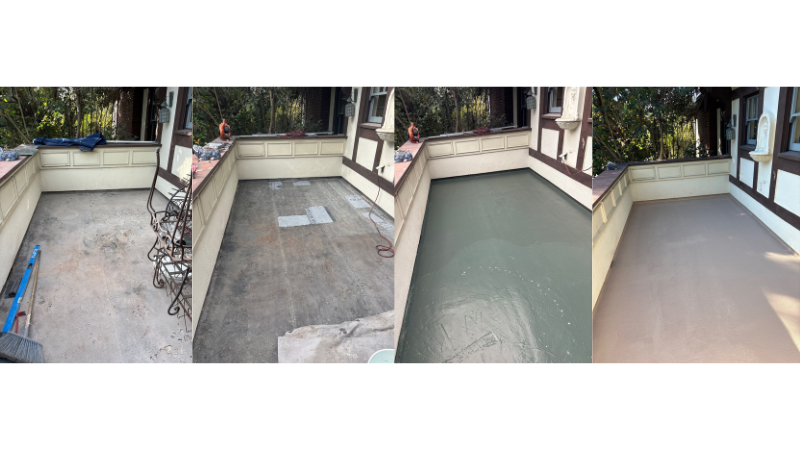
Understanding Deck Waterproofing in California
In California, your deck faces a unique set of challenges. The intense sun emits powerful UV rays that can break down wood fibers, while seasonal rains introduce moisture that can lead to rot and structural issues. Understanding these specific weather conditions is the first step in choosing an effective waterproofing method.
Proper deck waterproofing is about creating a barrier that shields your wood decking from both sun and rain. This prevents moisture damage and protects against the kind of water damage that can compromise your deck’s integrity. We’ll explore the materials and methods that work best to keep your deck in top shape.
Why Waterproofing Your Deck Matters
Waterproofing your deck is one of the most important investments you can make in your home’s outdoor space. Without a protective barrier, your deck is vulnerable to water damage from rain and humidity. This moisture can cause the wood to swell, crack, and warp, leading to unsightly and unsafe conditions. Over time, constant exposure to these weather conditions can cause significant structural problems.
Furthermore, moisture creates the perfect environment for wood rot and mildew growth. These issues not only ruin the appearance of your deck but can also compromise its structural integrity, making it dangerous to use. Harmful UV rays from the sun also contribute to the breakdown of wood fibers, causing them to fade and splinter.
Applying a quality deck sealant or waterproofing system is the most effective way to combat these problems. Yes, waterproofing can absolutely extend the life of your deck. It creates a durable shield that repels water, blocks UV rays, and prevents wood rot, ensuring your deck remains a beautiful and functional space for many years.
Common Deck Types and Materials
When planning for a new deck or waterproofing an existing one, the type of decking materials you have will influence your approach. Wood decks are a classic choice, loved for their natural beauty and timeless appeal. However, different woods have varying levels of natural resistance to moisture.
Common types of wood used for decks include cedar, redwood, and pressure-treated pine. Cedar and redwood contain natural oils that help them resist rot and insects, but they still benefit from a sealant to preserve their color and protect the wood grain. Pressure-treated wood is more budget-friendly and chemically treated for durability, but it requires regular sealing to prevent water damage.
While wood is popular, other materials are also common:
- Composite Decking: A mix of wood fibers and plastic, composite decks are highly resistant to rot and require less maintenance than traditional wood.
- Vinyl Decking: This material is fully synthetic and offers excellent water resistance, making it a low-maintenance option.
Understanding your deck’s material is the first step to choosing the right waterproofing method.
Essential Equipment and Materials for Deck Waterproofing
To achieve a truly waterproof deck, you need the right tools and products for the job. The goal is to create a durable protective layer that shields the decking materials from moisture. Your primary material will be a high-quality waterproof sealant or deck sealer designed for your specific type of deck. Having the right equipment on hand will make the process smoother and more effective.
Choosing the Right Waterproofing Products
Selecting the correct waterproofing product is crucial for a successful and long-lasting waterproof deck. The market offers a wide range of options, and the best choice depends on your deck’s material, your local climate, and your aesthetic preferences. For homeowners, the main decision is often between a clear sealer and a stain.
A clear waterproof sealant is designed to penetrate the wood and create a moisture barrier without changing the natural look of the wood. A deck stain, on the other hand, contains pigment that adds color while also providing waterproofing protection. Many modern products combine these features into a single stain-and-sealer formula.
When choosing, consider these factors:
- Water-based vs. Oil-based: Water-based sealers have low VOCs and are easy to clean up, while oil-based sealers penetrate deeply and offer excellent durability.
- UV Protection: Look for products with added UV blockers to prevent fading and sun damage.
- Plywood Decks: For plywood deck waterproofing, you’ll need a more robust system, such as a liquid-applied membrane or a multi-layer system like Desert Crete, designed for complete coverage over sheathing.
Tools Needed for DIY Deck Waterproofing
Gathering the right tools before you begin will streamline your deck waterproofing project and help you achieve professional-looking results. The most important tool for preparation is a pressure washer or power washer. This machine will help you thoroughly clean the deck surface, removing dirt, mildew, and old, flaking sealant.
For the application itself, your choice of tools will depend on the product you’re using. Brushes are great for cutting in around railings and edges, while rollers and paint pads can cover large, flat areas more quickly. Some water-based sealers can even be applied with a garden sprayer for maximum efficiency.
Here’s a quick list of essential tools:
- Pressure washer or power washer
- Stiff-bristled brush for scrubbing
- Paintbrushes, rollers, or a paint pad
- Sandpaper or a power sander for rough spots
- Safety gear, including gloves and goggles
Always check the product label for specific recommendations on application tools and the expected drying time.
Step-by-Step Deck Waterproofing Process
Now that you have your materials and tools, it’s time to begin the deck waterproofing process. Following a systematic, step-by-step approach is the best way to ensure your wood decking is fully protected against moisture penetration. A thorough job now will prevent future water damage and save you time and money.
Each step, from cleaning to the final application, is critical for achieving a durable and effective waterproof deck. Rushing through the process or skipping steps can lead to a failed application and leave your deck vulnerable. Let’s break down the process into three manageable stages.
Step 1: Inspect and Clean the Deck
The first step in any successful waterproofing project is a thorough first cleaning. You need to remove all dirt, leaves, mildew, and grime from the surface of the deck. A power washer is the most efficient tool for this job, but a stiff brush and deck cleaner can also work. The goal is to get the wood surfaces completely clean so the sealant can adhere properly.
While cleaning, take the opportunity to inspect the entire deck for signs of damage. Look closely for splintered or rotting wood, loose boards, and popped nails or screws. Pay special attention to the areas around posts and railings, as well as the ledger board where the deck attaches to your house.
A clean and inspected deck is the perfect canvas for your waterproofing solution. Make sure the deck is completely dry before moving on to the next step. Trapped moisture can prevent the sealer from bonding correctly and can cause problems down the road. Patience here is key to achieving the best results.
Step 2: Repair and Prepare Surfaces
After cleaning and inspecting your wood deck, the next crucial step is to make any necessary repairs. Applying a sealer over damaged wood is like putting a bandage on a serious wound… it won’t solve the underlying problem. Address any issues you found during your inspection, such as replacing boards affected by wood rot.
You’ll want to repair deck boards that are cracked or splintered and replace any that are severely damaged. Secure any loose boards with new screws. It’s also important to check the deck substructure, including the joists and rim joist, for any signs of decay or weakness. Making these repairs ensures your deck is structurally sound before you seal it.
Once all repairs are complete, you may need to sand the deck. Sanding helps smooth out any rough patches, new wood boards, or wood filler, creating a uniform surface for the sealer to be applied. This preparation ensures the final finish will be even and professional-looking, providing a solid foundation for the waterproofing layer.
Step 3: Apply Your Chosen Waterproofing Solution
With your deck clean, repaired, and prepped, you’re ready for the final step: applying the waterproofing solution. Whether you’re using a waterproof sealant or a deck sealer, always start by reading the manufacturer’s instructions carefully. These will provide specific details on application methods and drying time.
Begin applying the sealer, working in small sections. Use a brush for detailed areas like railings and corners, and a roller or pad for the main deck surface. Apply a thin, even coat, avoiding puddles. Many products require a second coat for optimal protection; if so, be sure to follow the recommended waiting time between coats.
When applying your chosen solution:
- Work with the grain of the wood for a smooth finish.
- Check the weather forecast and apply on a dry, overcast day to prevent the sealer from drying too quickly.
- Allow for adequate drying time before walking on the deck or returning furniture. This ensures the sealer cures completely for a durable, waterproof deck.
Comparing Deck Waterproofing Systems: Desert Crete vs. Desert Flex
While sealers are a great DIY option, professional decking systems offer superior, long-term protection. The Desert Crete and Desert Flex systems are two of the best solutions for creating a truly waterproof deck. These systems are more than just a coating; they are multi-layered waterproofing and deck surface solutions.
Both systems provide a durable, seamless membrane that protects your deck from the elements. However, they are designed for different situations. Understanding their features will help you decide which is right for your project.
| Feature | Desert Crete Decking System | Desert Flex Deck Restoration System |
|---|---|---|
| Best For | New construction & major renovations | Restoring existing decks |
| Layers | Multi-layer system with metal lath | Fiberglass and acrylic-based system |
| Durability | Extremely high; fire-resistant | Very high; flexible to prevent cracking |
| Finish | Can be stamped or textured | Smooth or textured finishes available |
Benefits of Desert Crete Decking System
The Desert Crete Decking System is a top-tier choice for anyone building a new deck or undertaking a major renovation. It is an incredibly effective way to ensure your deck is completely waterproof from the start. This system is installed over plywood subflooring and consists of multiple layers, providing superior protection against water intrusion.
One of the biggest advantages of Desert Crete is its robustness. It creates a thick, durable, and fire-resistant surface that can withstand heavy foot traffic and harsh weather conditions for many years. It is an ideal solution for decks over living spaces, as it creates a seamless, watertight barrier that functions like a roof.
The benefits of the Desert Crete system include:
- Exceptional Durability: It’s a cementitious, multi-layer system that offers long-lasting performance.
- Complete Waterproofing: Provides a seamless membrane that is perfect for decks over interior rooms.
- Customizable Finishes: The topcoat can be finished with a variety of textures and colors to match your home’s aesthetic.
This makes Desert Crete a premier choice for ultimate deck protection.
Advantages of Desert Flex Deck Restoration System
If you have an existing deck that needs to be freshened up, the Desert Flex Deck Restoration System is an excellent solution. This system is specifically designed for deck restoration, allowing you to waterproof and renew an older deck without having to tear it down and start over. It can be applied over most existing deck surfaces that are in structurally sound condition.
The key advantage of Desert Flex is its flexibility. The system uses a combination of fiberglass and acrylic resins to create a protective layer that can expand and contract with temperature changes. This reduces the risk of cracking and ensures the waterproof barrier remains intact over time. With regular maintenance, a deck treated with Desert Flex can stay in excellent condition for years.
The main advantages are:
- Ideal for Restoration: Perfect for applying over existing concrete or worn-out deck coatings.
- Flexible and Crack-Resistant: The acrylic materials allow for movement, preventing cracks.
- Quick Installation: It’s often a faster process than a full deck replacement, saving you time and hassle.
This system is a smart way to extend the life of your current deck while giving it a fresh, durable, and waterproof surface.
Conclusion
Effective deck waterproofing is crucial for preserving the longevity and aesthetics of your outdoor space. Utilizing methods like the Desert Crete Decking System or the Desert Flex Deck Restoration System offers reliable solutions tailored to different needs. Each system presents unique advantages, ensuring you can select the best option for your specific deck type and climate. By following a systematic approach and employing quality materials, you can protect your deck against the elements while enhancing its durability. If you’re ready to take the next step in safeguarding your deck, contact Specialist Roofing for expert deck waterproofing solutions tailored to your needs.
Frequently Asked Questions
What is the best way to waterproof a deck?
The most effective deck waterproofing method depends on your needs. For DIYers, applying a high-quality deck sealer provides a great protective layer. For ultimate, long-lasting protection on wood surfaces, especially over living spaces, a professional multi-layer system like Desert Crete is the best choice for a completely waterproof deck.
Can waterproofing extend the life of my deck?
Absolutely. Deck waterproofing prevents water damage, which is the primary cause of wood rot and structural failure. By applying a deck sealant or system, you create a barrier against moisture, significantly prolonging the lifespan of your waterproof deck and saving you from costly future repairs.
Is waterproofing necessary for composite decks?
While composite decking is highly water-resistant, it’s not completely waterproof. The wood fibers within can still absorb moisture over time. Applying a waterproof sealant designed for composite decks can provide extra UV protection, prevent staining, and ensure the substructure below stays dry, making it a wise protective measure.